Delhi: The Historical Architecture
The ancient city of Indraprastha to the magnificent Mughal architecture .
Famous Places
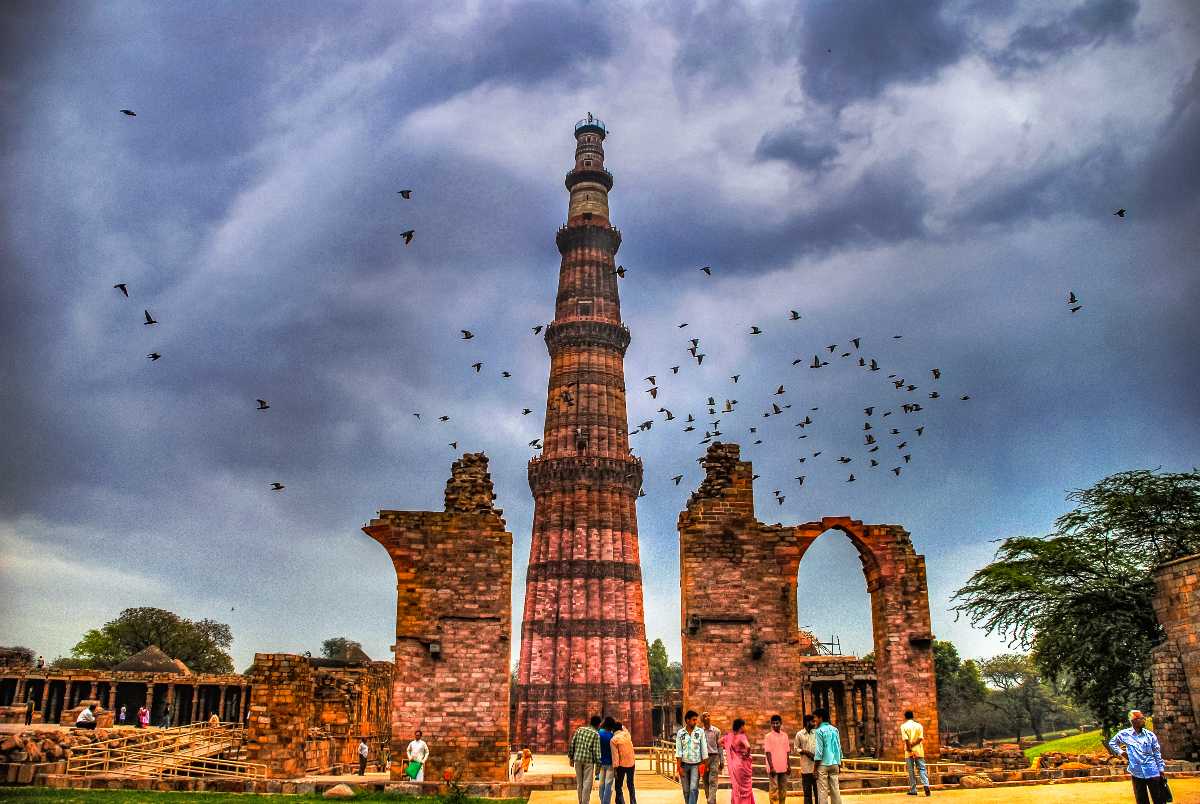
Qutab Minar
The Qutub Minar, an iconic symbol of Delhi's rich history, stands tall at 73 meters, showcasing the splendour of Afghan architectural style. .
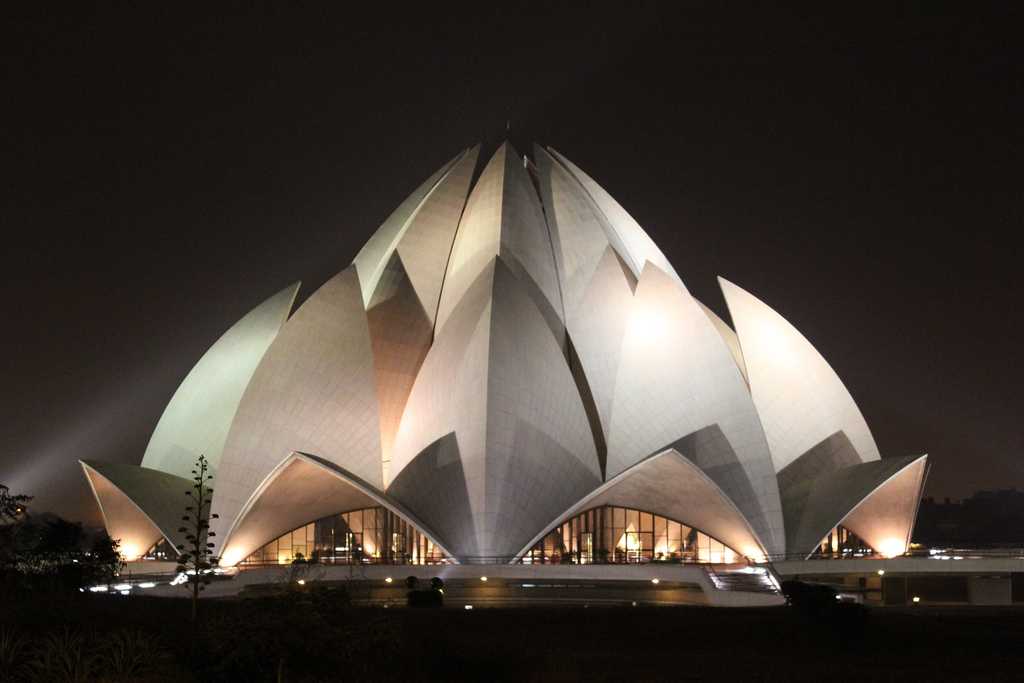
Lotus Temple
The Lotus Temple in Delhi is an architectural marvel shaped like a blooming lotus,symbolizing peace and purity. It welcomes people of all religions to meditate and experience unity and harmony.
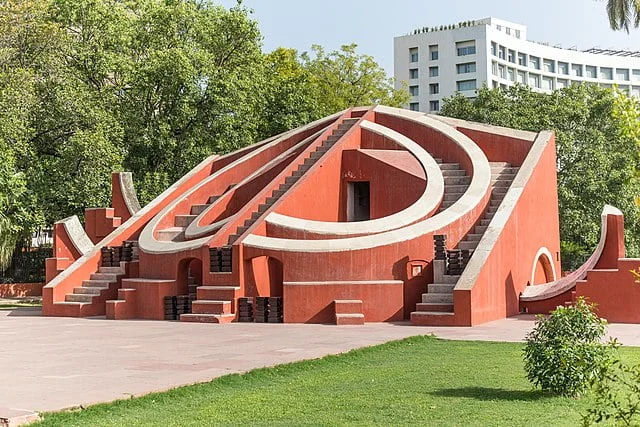
Jantar-Mantar
Jantar Mantar is a historic astronomical observatory built by Maharaja Jai Singh II in 1724 in Delhi. It was designed to measure time, predict eclipses, and study the movements of celestial bodies.
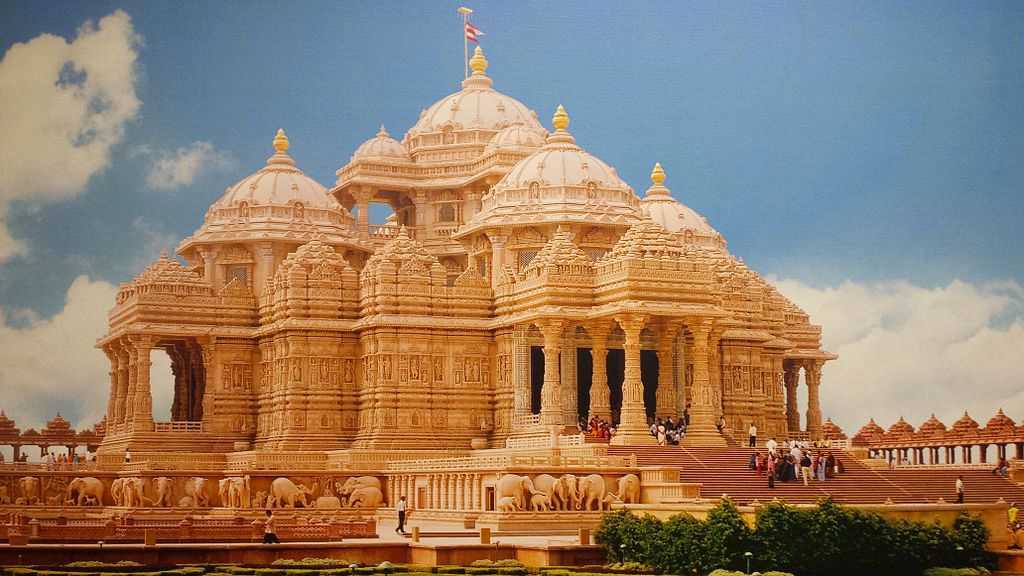
Akshardham Temple
An epitome of Indian culture, spirituality, and architecture, Akshardham Temple is a famous Hindu temple and a spiritual-cultural complex. Also known as Swaminarayan Akshardham, it is dedicated to Lord Swaminarayan.
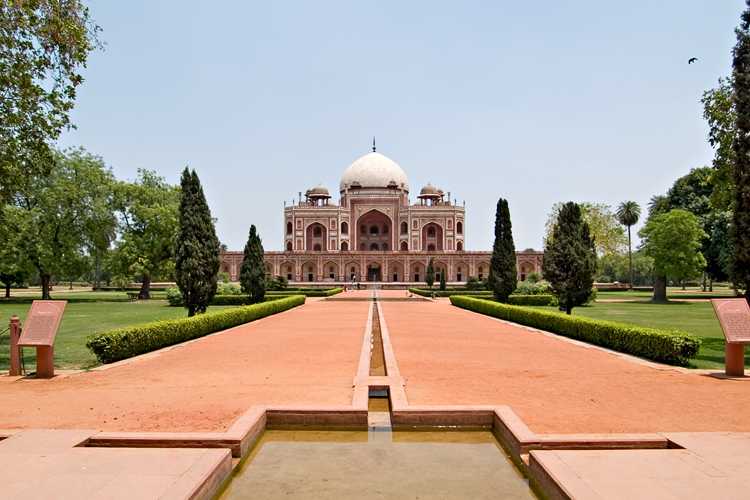
Humayun's Tomb
As the name suggests, Humayun's tomb is the final resting place of the Mughal Emperor Humayun. Located in the Nizamuddin East area of Delhi, it is the first garden-tomb in the Indian subcontinent.
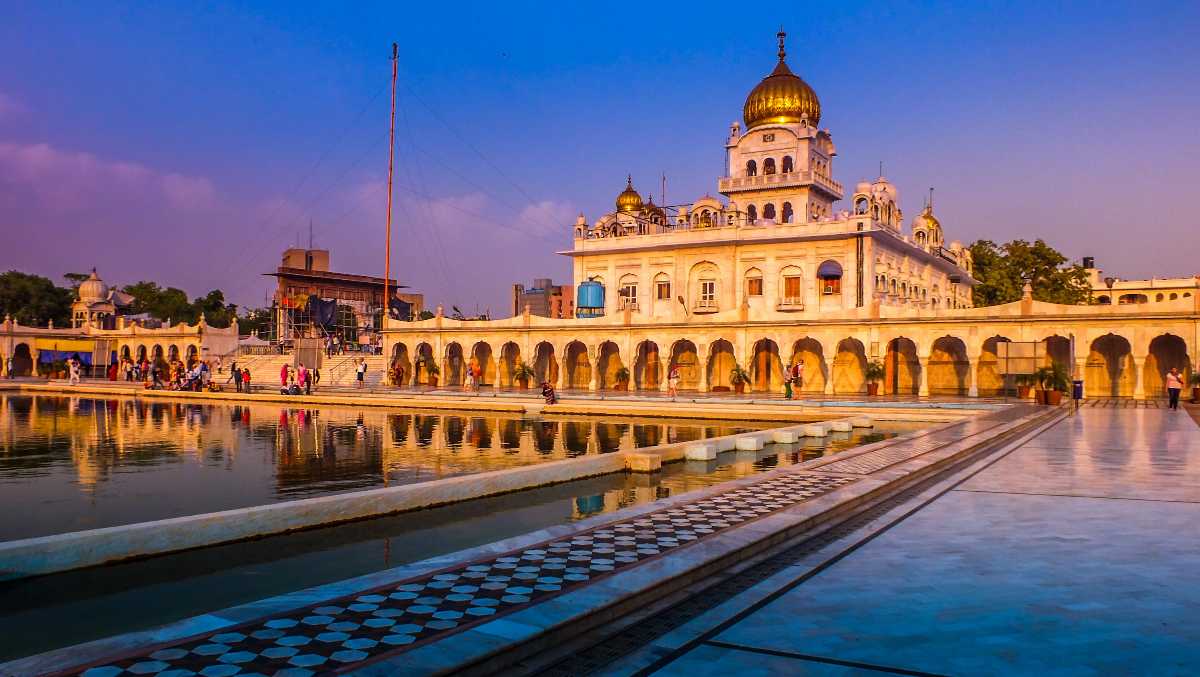
Gurudwara Bangla Sahib
Gurudwara Bangla Sahib is one of the most important Sikh gurdwara, aka Sikh house of worship, in Delhi, India and known for its association with the eighth Sikh Guru, Guru Har Krishan, as well as the pool inside its complex, known as the 'Sarovar.'
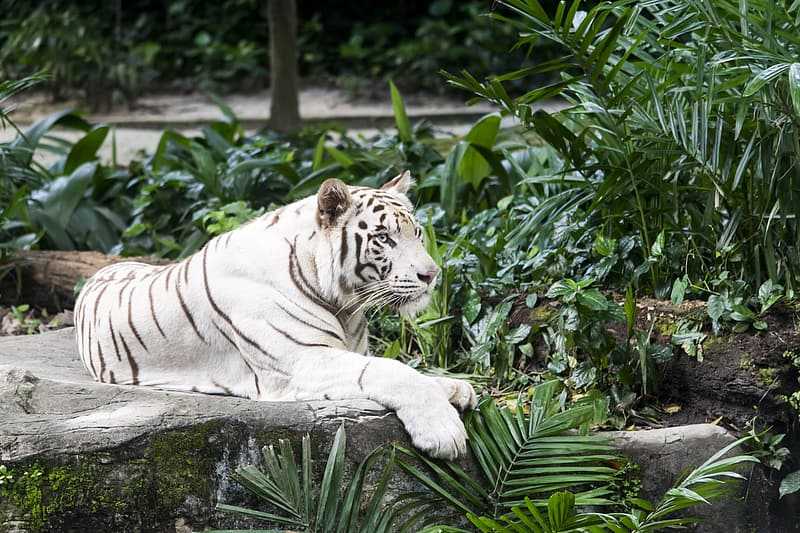
Delhi Zoo
Jantar Mantar is a historic astronomical observatory built by Maharaja Jai Singh II in 1724 in Delhi. It was designed to measure time, predict eclipses, and study the movements of celestial bodies.
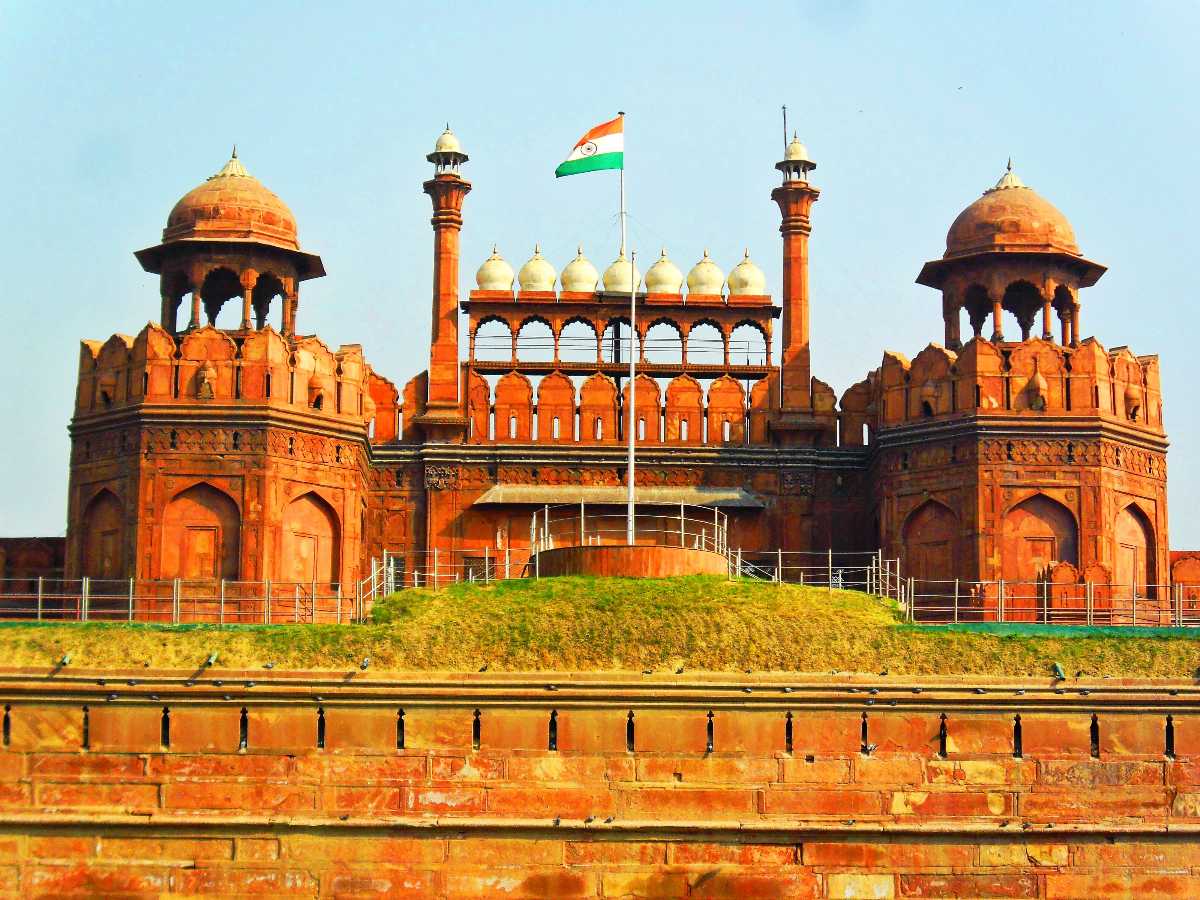
Red Fort
The Red Fort is a historical fortification in the old Delhi area. Shah Jahan constructed it in the year 1639 as a result of a capital shift from Agra to Delhi.
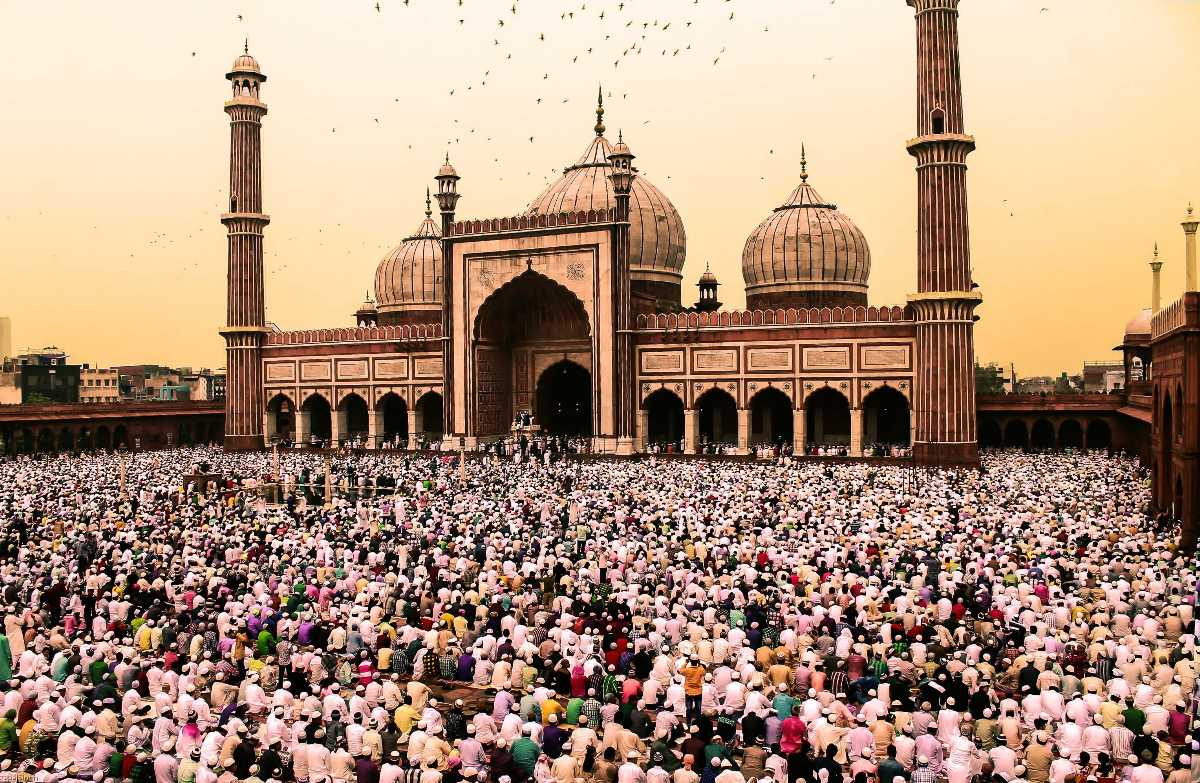
Jama Masjid Delhi
Jama Masjid is the largest mosque in India built by Mughal Emperor Shah Jahan. The mosque hosts thousands of pilgrims each year on the holy occasion of Eid to offer special Namaz in the morning.
Delhi Adventure & Sightseeing
Hill Charm
₹20000 / 5 days
- Transportation: Deluxe AC Bus
- Accommodation: Budget/Homestay Hotels
Premium Snow Explorer ⭐
₹25000 / 7 days
- Transportation: Private AC Sedan
- Accommodation: 4-Star Resorts
Luxury Trek & Retreat 👑
₹30500 / 8 days
- Transportation: Domestic Flights & Premium SUV
- Accommodation: 5-Star Luxury Cottages
- All Gourmet Meals and wine tasting